
The best-fit speaker is not always nearby
Distance, timing, health, cost or another commitment can make a strong speaker unavailable for physical attendance.
Finally, organisations should review the experience after it has been used. The first session can reveal practical details about room layout, timing, audience behaviour or presenter preparation that are difficult to predict on paper. For “When the right conference speaker cannot travel”, those observations can be used to refine the best-fit speaker is not always nearby before the format is repeated or scaled.
Telepresence creates a third option
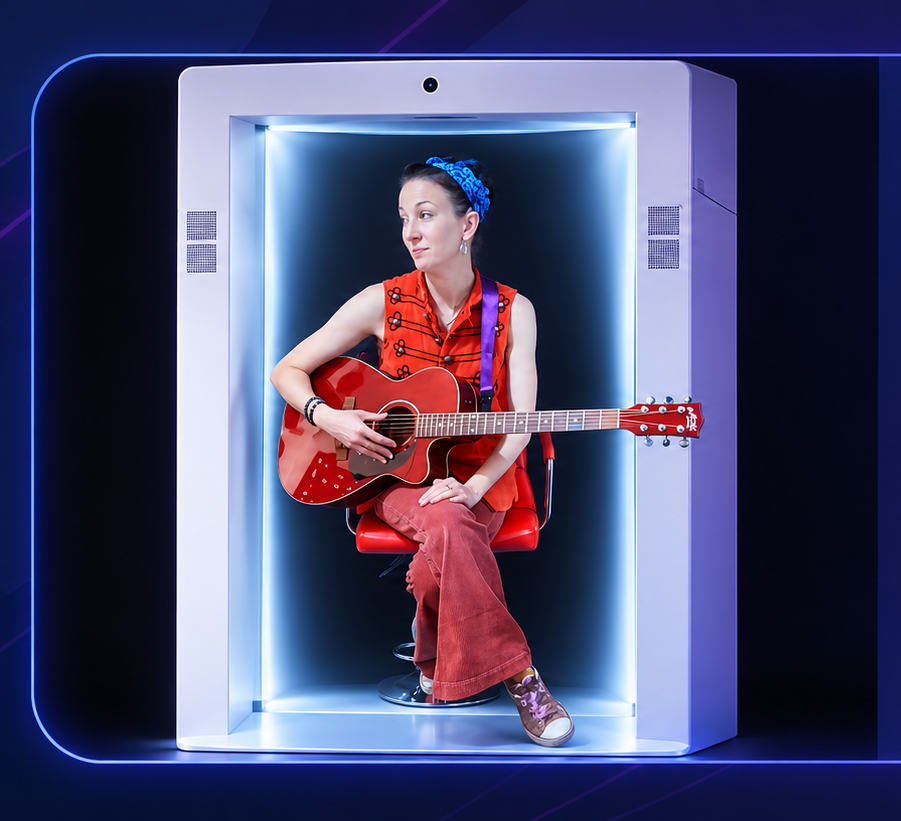
Instead of replacing the speaker or using a conventional video window, organisers can give the remote person a life-size position in the venue.
There is also a consistency question. If the same idea will be used across several sites, teams or events, organisations should decide which parts must stay standard and which can adapt locally. In Events & Conferences, telepresence creates a third option can often be designed as a repeatable core with room for genuine local interaction where that adds value.
Be transparent with the audience
There is no need to pretend the speaker is physically in the building. Clear communication that they are joining live keeps expectations realistic.
A useful boundary is to compare the Feelspace option with the simpler alternative. If an ordinary video call, recording or in-person visit will do the job just as well, there may be no reason to add another layer. Where be transparent with the audience materially improves the way the remote person can contribute, life-size presentation becomes a more purposeful choice.
Compare the full programme value
Travel savings can matter, but organisers should still consider production needs, speaker fit and the quality of the audience experience.
The format should remain transparent. Feelspace can make a remote person feel more naturally placed in the room, but it does not erase distance or turn a remote appearance into physical attendance. Thinking clearly about compare the full programme value helps set realistic expectations and keeps the experience grounded in what the person can genuinely contribute from their location.
Use it selectively
A conference does not need every remote contributor to appear life-size. The format is most relevant when the person themselves is a major part of the programme.
The format should remain transparent. Feelspace can make a remote person feel more naturally placed in the room, but it does not erase distance or turn a remote appearance into physical attendance. Thinking clearly about use it selectively helps set realistic expectations and keeps the experience grounded in what the person can genuinely contribute from their location.
Telepresence can widen the speaker pool, but the programme should still be built around relevance and audience value.