
Panels depend on conversation
Timing, eye line and turn-taking matter. A remote contributor can become disconnected when they appear on a separate screen that local panellists rarely look toward.
Preparation becomes easier when the session is broken into roles. The remote person needs to know what they are responsible for, the local host needs to know when to step in, and the audience needs a clear way to participate. Applied to “Using life-size telepresence for panels, interviews and Q&A”, that role clarity can make panels depend on conversation feel deliberate rather than improvised.
Give the remote guest a physical position
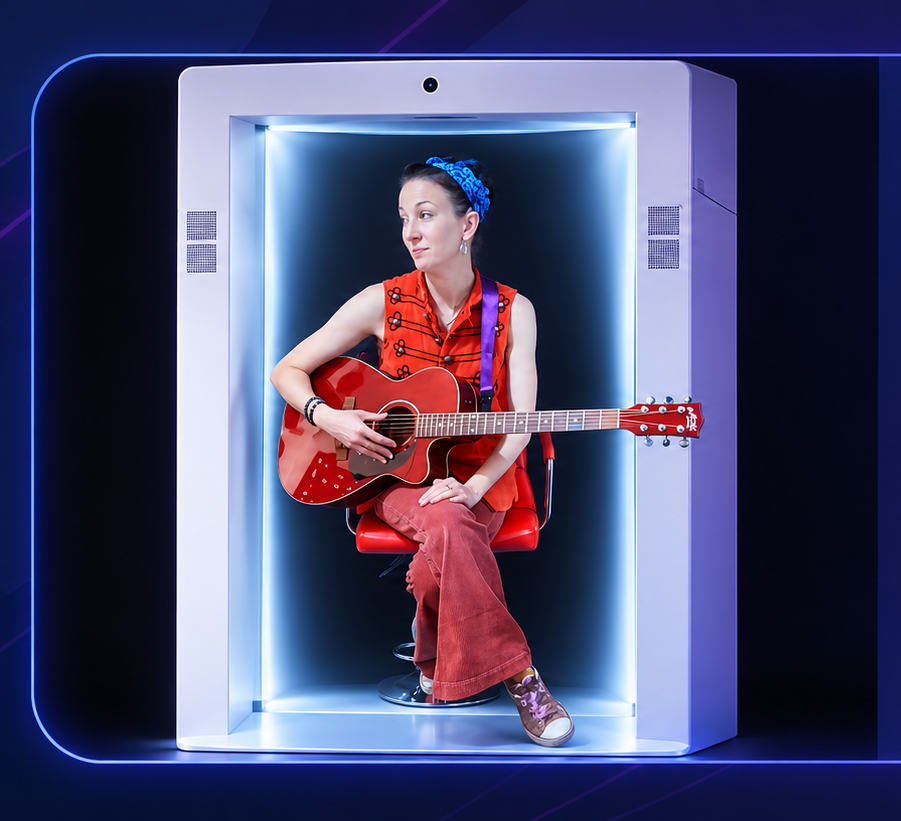
A life-size position beside the panel gives the moderator and audience a clearer place to direct attention.
Good use of Feelspace should reduce friction rather than create it. If give the remote guest a physical position requires so much explanation or setup that the audience loses sight of the purpose, the design needs simplifying. The strongest version of “Using life-size telepresence for panels, interviews and Q&A” is one where the technology supports the flow and then becomes secondary to the person, message or activity.
Audio matters more than spectacle
Every participant needs to hear the others clearly. Good microphone routing and rehearsal are more important than visual novelty.
For Events & Conferences, the practical question is not simply whether the technology can support this idea. It is whether the format makes the experience clearer, more useful or more accessible for the people involved. In the context of “Using life-size telepresence for panels, interviews and Q&A”, that means testing audio matters more than spectacle against the actual purpose of the session rather than using telepresence for novelty alone.
Moderation becomes more important
The moderator should actively include the remote participant and prevent local side conversations from excluding them.
For Events & Conferences, the practical question is not simply whether the technology can support this idea. It is whether the format makes the experience clearer, more useful or more accessible for the people involved. In the context of “Using life-size telepresence for panels, interviews and Q&A”, that means testing moderation becomes more important against the actual purpose of the session rather than using telepresence for novelty alone.
Plan audience questions
Decide how questions will reach the remote guest, particularly in larger rooms where a roaming microphone or local host may be needed.
The human behaviour around the technology matters just as much as the hardware. People need to know who the remote person is, why they are joining and what kind of interaction is expected. In “Using life-size telepresence for panels, interviews and Q&A”, good preparation helps the audience focus on the person and the content rather than trying to work out how the system is supposed to be used.
A remote panel guest needs a place in the conversation as well as a place on the stage.